
- Procedure time
- 45 minutes to 2 hoursUpper, lower, or both
- Anesthesia
- IV sedationNo breathing tube
- Setting
- Our procedure suiteHome the same day
- Downtime
- One to two weeksSutures out at day seven
- Results last
- Seven to ten years
Upper lids: skin, muscle, or brow
Heaviness across the upper lid has three common sources, and they require different answers. There may be genuine redundant lid skin. There may be a brow that has descended and is bringing tissue down with it. Often it is some of both.
Treating a brow problem with an eyelid operation is one of the most common ways to make a face look worse while technically doing the surgery correctly.
Lower lids: usually less than you think
The instinct with lower eyelids is removal. Take out the bags, take out the skin. That instinct is responsible for a generation of hollowed, skeletal-looking results that read as surgery from across a room.
Under-eye shadowing is frequently a transition problem: fat that has shifted forward above a groove where volume has been lost below. Repositioning and restoring is a different operation from excising, and it ages considerably better.
The other technical priority is support. The lower lid has to hold its position and its shape after surgery, and protecting that is what separates an eyelid result that looks like you from one that does not.
Surface is a separate question
Eyelid surgery repositions and removes tissue. It does not change the quality of the skin. The fine crepe texture around the eye is a surface problem, and it responds to resurfacing rather than to excision.
Trying to solve texture by removing more skin is how lids get over-resected. The two concerns are often addressed together, but they are addressed by different means.
How I do the upper lid
The incision goes in the natural crease above the lid, which is where it disappears. I measure carefully and take only the skin that can come out while still letting you close your eyes completely. That limit is the whole discipline of the upper lid, and I stay well inside it.
Through the same incision I can remove orbital fat that has herniated forward through the muscle layer, which is what creates puffiness toward the inner corner and blurs the crease. Often the incision has to extend a little past the outer corner of the eye, otherwise you are left with hooding at the side that the rest of the work has not touched.
Some patients want a defined crease where they have only ever had a fold. I create one through this same approach.
How I do the lower lid
There are two ways in, and which one you get depends on whether skin needs to come out.
If it does, I use an external incision just under the lash line, extending slightly into a laugh line at the outer corner. That lets me remove skin, take out the fat pads that have pushed forward under the eye, and — critically — put a suture through the orbicularis muscle to anchor it to the lateral orbital rim. That anchoring is what prevents ectropion, where the lid heals away from the eyeball. It is the complication that matters most here, and the technique exists specifically to avoid it.
If it does not, the incision goes on the inside of the lid, where there is no external scar at all. I can remove orbital fat through it. If a little skin tightening is still wanted, I would pair that with fractional CO2 laser to the lower lid skin and leave the skin uncut.
I am never trying to hollow out an eye. Where the anatomy calls for it, I will add volume with fat transfer or lift the face at the same time.
Recovery around the eyes
Any external incision gets sutures, and they stay in for seven days. They are tiny and blue and hard to spot. Bruising and swelling around the eye are guaranteed, though, and they do not read the calendar. Bruising can settle low, into the tear trough along the lower orbital rim, and outlast the stitches. Most of it has gone by two to three weeks.
Swelling varies more between patients than almost anything else I do. It can persist around the eyes for several weeks. By six weeks things look good, which is when we take your photographs, and by six months everything has settled.
What can go wrong
Taking too much skin is the risk everyone has heard of. I avoid it by measuring during the procedure against your ability to close the eye, and by staying conservative.
Ectropion applies to the external lower lid approach. Careful preservation of the muscle and its anchoring to the lateral orbital rim is how it is prevented.
Dry eye can worsen temporarily while you heal, usually settling back to your baseline within about six weeks. If you need prescription drops for dry eye, I will generally advise against operating at all.
Bleeding behind the eye is rare and serious. I cauterize every vessel I see so the field is dry, and you will be asked to avoid blood thinners and to keep your blood pressure steady, particularly if you have a history of hypertension.
Results
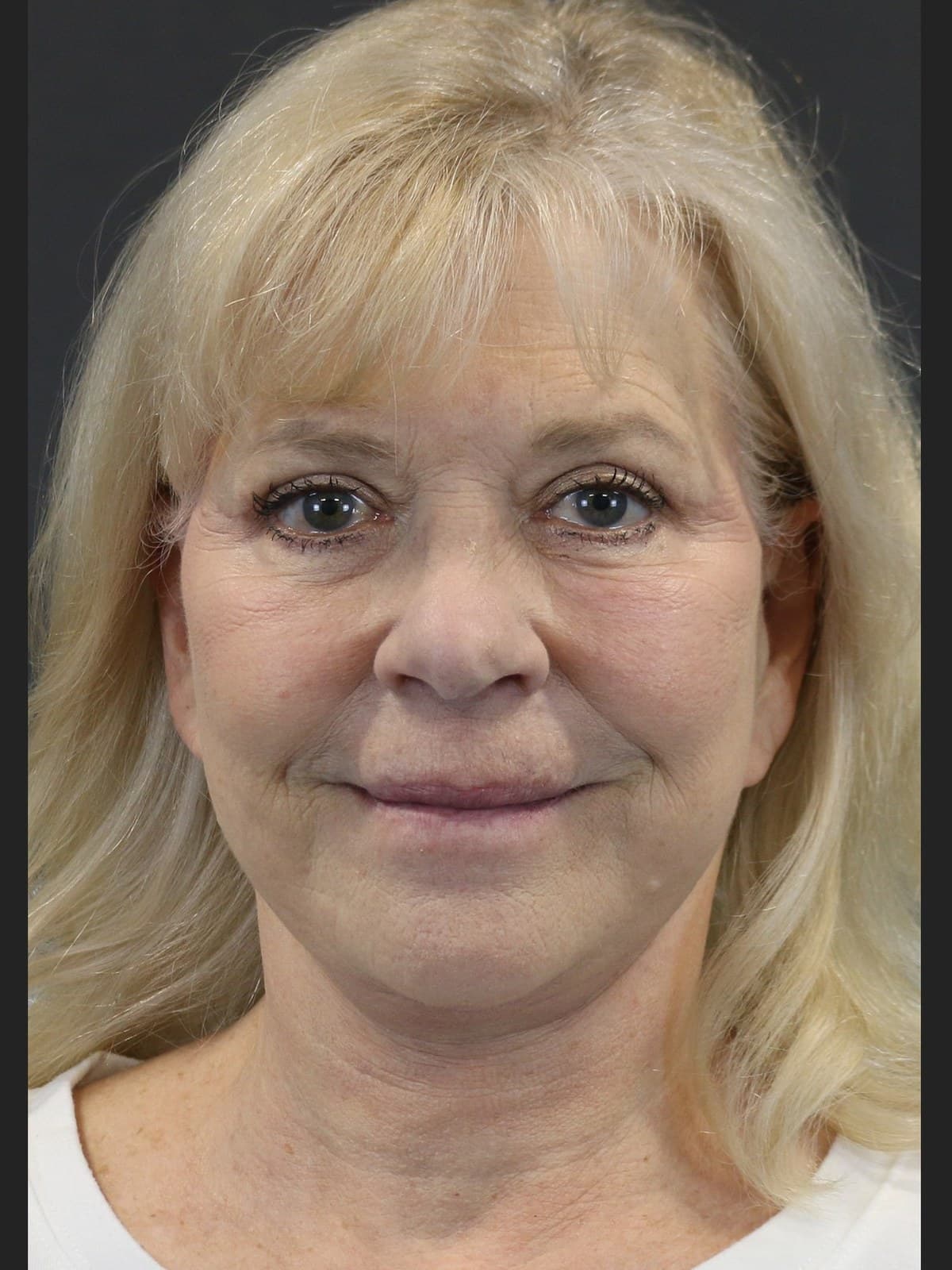
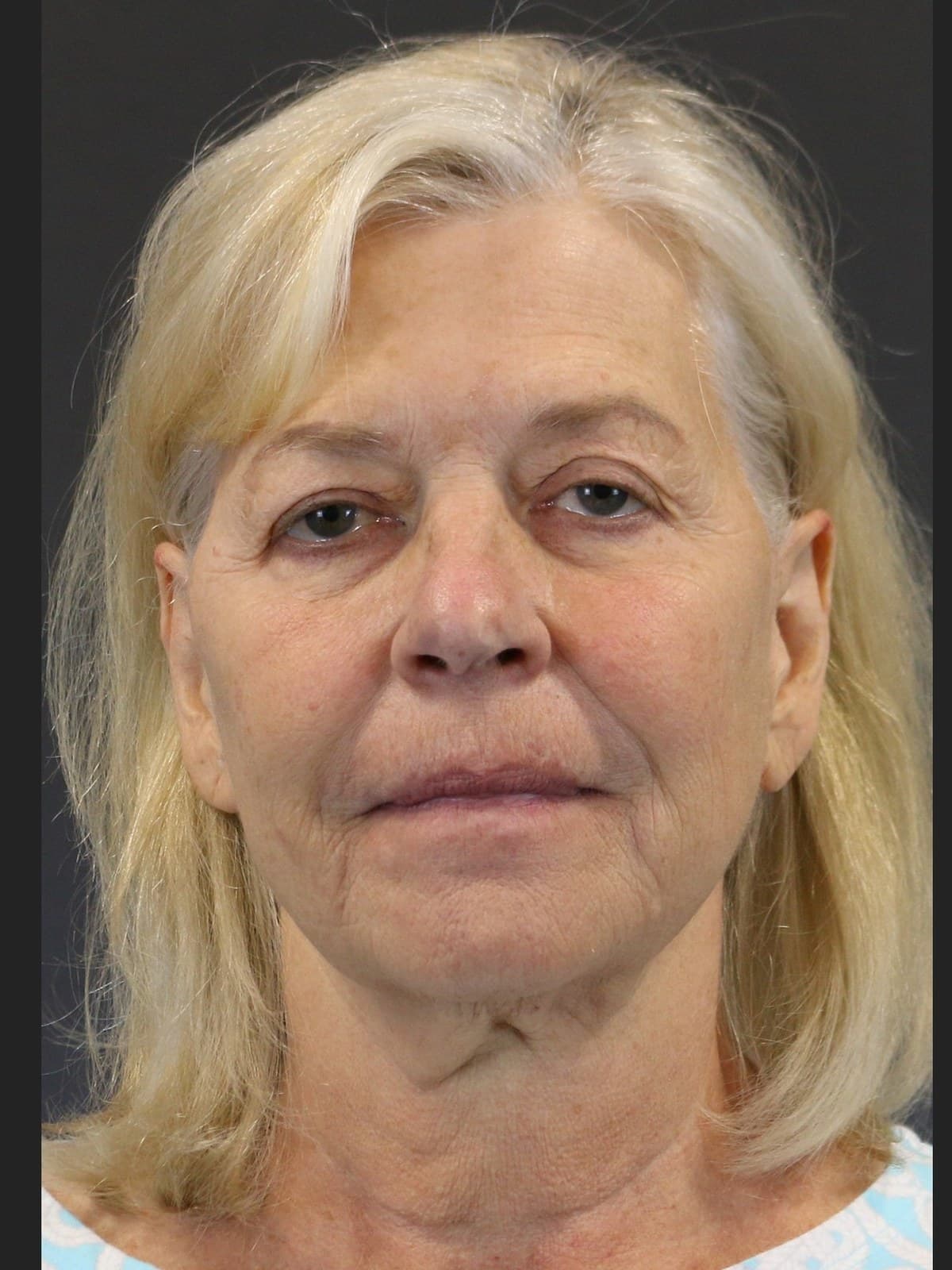
Before-and-after photographs of Dr. Keni’s eyelid surgery patients, at consistent angles and lighting.
Individual results may vary. The photographs shown are of actual patients of Dr. Keni who have consented to their use.
Common questions
- Is my heavy upper lid an eyelid problem or a brow problem?
- This is the first question worth answering, because the two are treated differently and the wrong operation produces a poor result. If the brow has descended, removing upper lid skin can pull the brow down further. Assessing brow position before planning eyelid surgery is not optional.
- Will removing under-eye fat fix my hollows?
- Usually the opposite. Under-eye hollowing is often a volume problem: a deficiency, not an excess. Taking fat out of a hollow area makes it hollower, and that is a common cause of the skeletonized look people associate with badly aged eyelid surgery.
- Will it change the shape of my eye?
- It should not. Preserving the shape and the support of the lower lid margin is the technical priority; a lower lid pulled downward or rounded is the complication that matters most in this operation.
- Can eyelid surgery be combined with a facelift?
- Yes, and it frequently is. A facelift does not address the eyes, and eyes are often where people first read age. Whether they are staged or combined depends on the plan.
Not sure this is your problem? Looking tired when you are rested
Financing available through CareCredit. See financing options