
What is actually happening
Several changes converge around the eye, and they arrive at different rates. The skin of the upper lid is the thinnest on the body and loses elasticity early, so excess collects there first. The brow settles gradually downward, taking the upper lid with it. Below the eye, the support holding orbital fat in place weakens, so fat that was contained begins to bulge, and the junction between lid and cheek deepens into a shadow.
The eye is read as one unit, so a change in any part of it is attributed to the whole.
That is why the upper and lower lids are assessed together even when only one is treated. Correcting one and ignoring the other can leave the face looking uneven in a way that is hard to name and easy to see.
What is worth ruling out first
The distinction that matters most is whether the heaviness is coming from the lid or from the brow above it.
Telling those two apart is a physical examination and it takes about a minute. I have you close your eyes and let your forehead go completely slack, then I rest a hand on it and take the lift out. What I am looking for is where your brow settles once you have stopped helping it. If it comes to rest at the rim of the orbit where it belongs and there is still loose skin above the lash line, the skin is your problem. If it settles below that rim, the brow is part of the problem, and sometimes all of it.
True upper lid excess means skin has accumulated on the lid itself, with the brow sitting where it always did. That is what an upper eyelid procedure addresses.
Brow descent produces the same heaviness by a different route: the brow has come down and is pressing the lid into a smaller space. Removing lid skin in that situation treats a consequence, and it can pull the brow lower still. That face wants the brow addressed, alone or alongside.
Volume and shadow below is a third pattern. Puffiness under the eye can be protruding fat, hollowing at the junction with the cheek, or both at once, and they look similar in a mirror while calling for different treatment.
There are also medical causes of a change around the eyes that are not aging and should be identified before anyone discusses surgery. That is part of what an examination is for.
Two in particular. I check everybody for ptosis, a lid that is genuinely drooping because the muscle lifting it has weakened. From the outside it reads as heavy skin, and it is a different operation, so it is worth a minute of anyone’s consultation. Thyroid eye disease I do not screen for as routine, because most people sitting in front of me have no reason to be screened. What I do is look. If there are symptoms that concern me, or the anatomy around the eye has the look of thyroid disease behind it, I will say so and we will chase that down before anybody talks about an operation.
Doing them in the right order
When both the lid and the brow need attention, I usually prefer to stage them, and patients are often surprised to hear it. Two visits sounds like the slower path. It is the more accurate one.
Each operation has to settle before you can judge the other honestly. A brow reaches its long-term position at around six months. Lift the brow first and, at six months, I can see exactly how much lid skin is genuinely surplus and take that much and no more. Take the lid skin first and I can see where the brow truly sits once the lid above it is no longer crowded, then decide whether it needs lifting at all.
Staged, neither operation is cheating the other one.
Doing both in a single sitting asks me to guess at how they will interact, on a face that is about to change underneath the guess. Where staging is possible I would sooner take two accurate steps.
Below the eye the choice runs between taking fullness away and putting volume back, and many people need some of each. Where the complaint is a bulge, removing the fat causing it is often the whole answer, and plenty of patients are happy stopping there. Where there is a deep tear trough and the shadow is what bothers you, taking fat away only deepens the hollow.
When that area needs volume, I graft fat into it. I am not keen on filler here for significant hollowing, and I do not reposition the fat already sitting there, which is the other common approach. Repositioning seldom yields the volume this area actually needs, and it carries a set of complications I would prefer neither of us to take on while grafting is available. Which of these applies to you gets decided on the day, from your anatomy and from what you want your eye to look like.
What treats it
Results
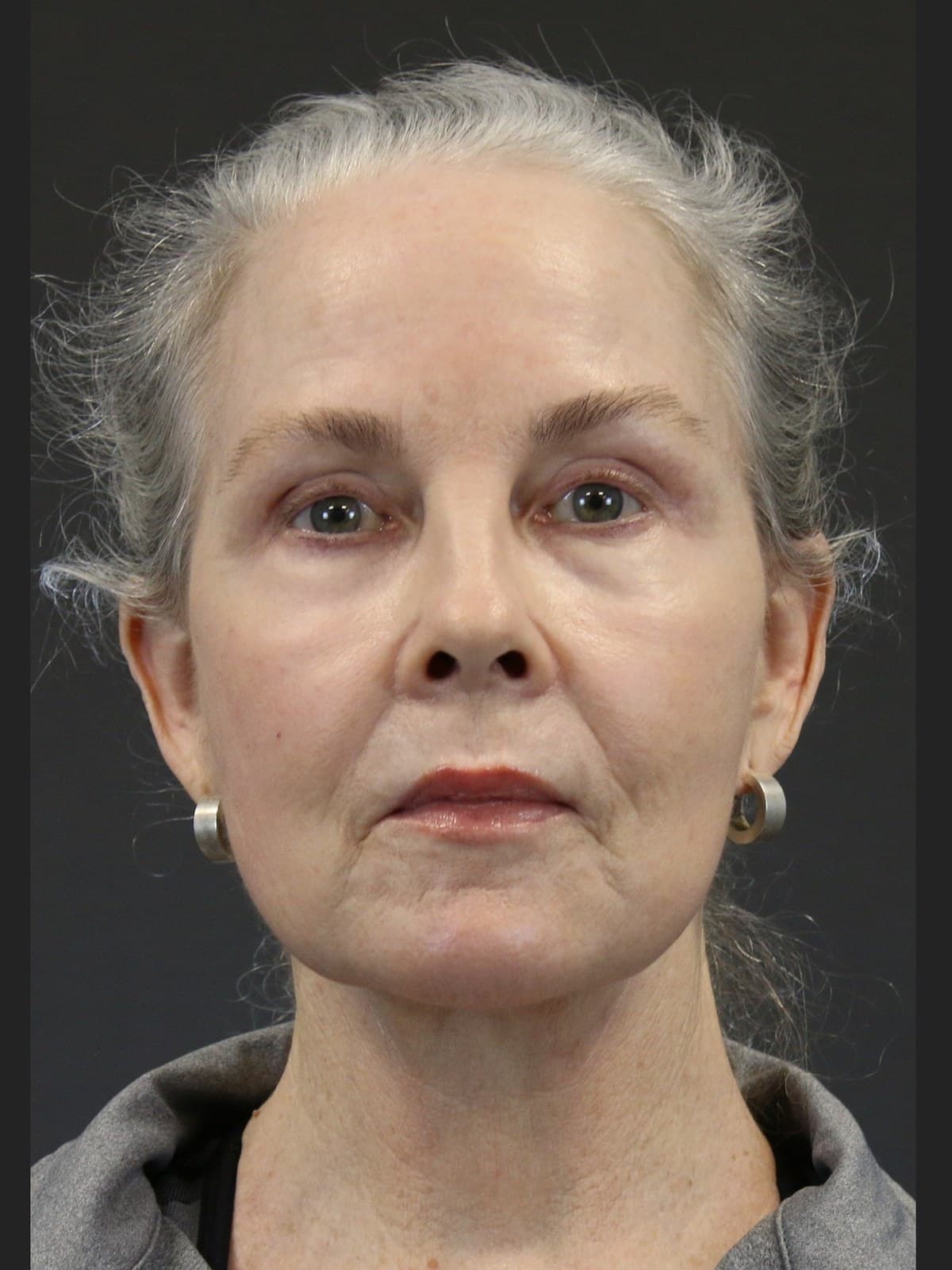 BeforeAfter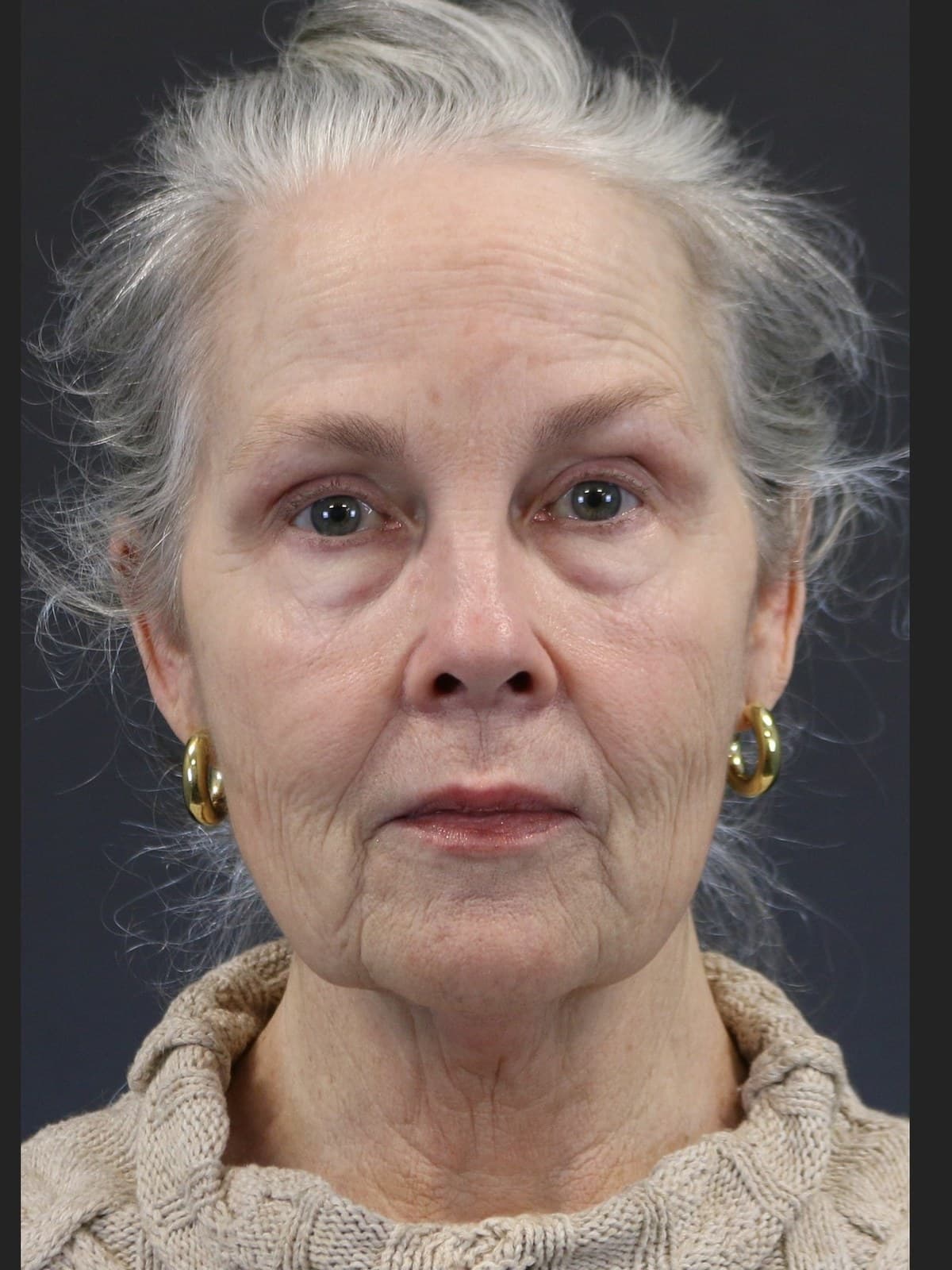
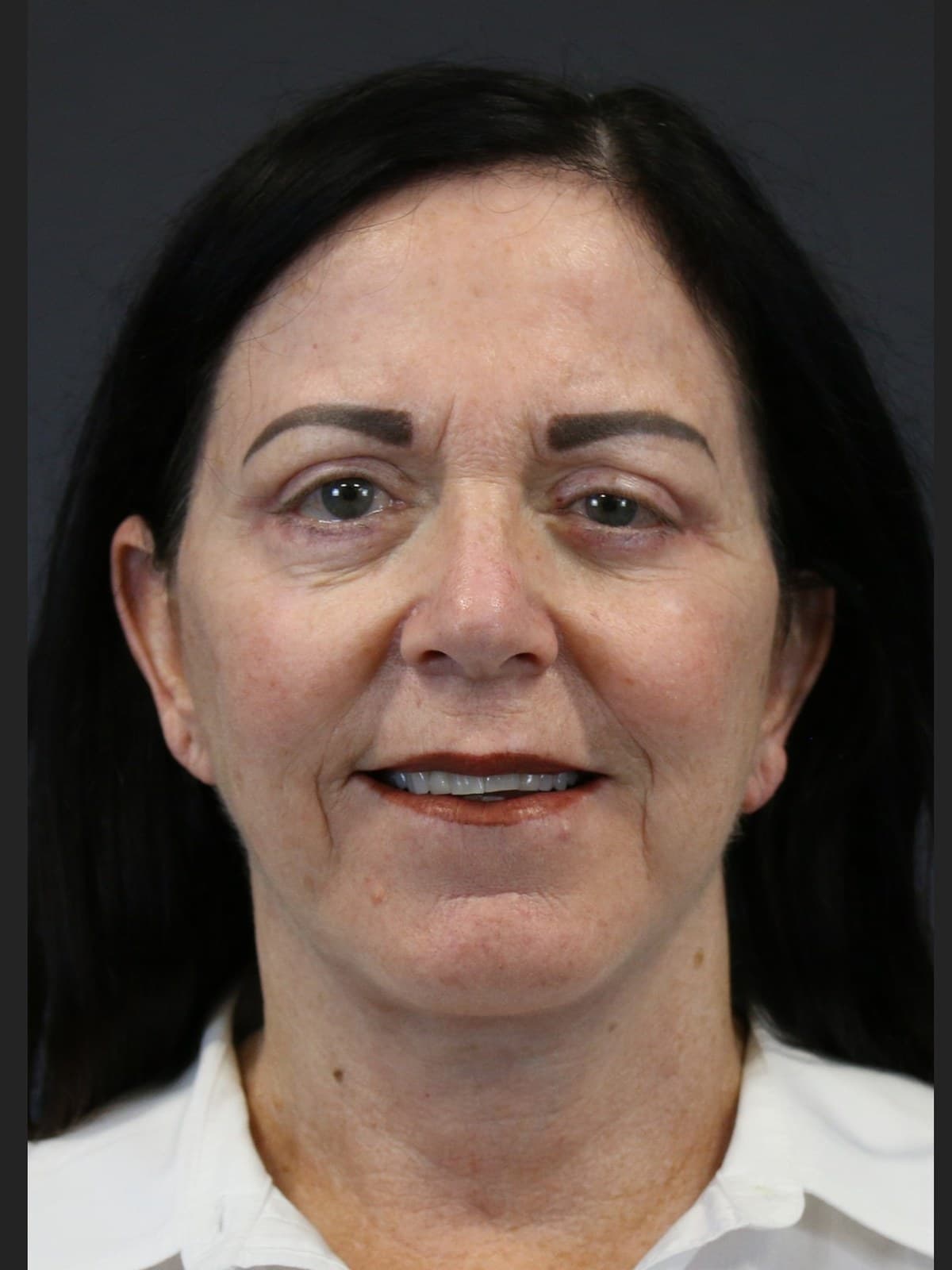 BeforeAfter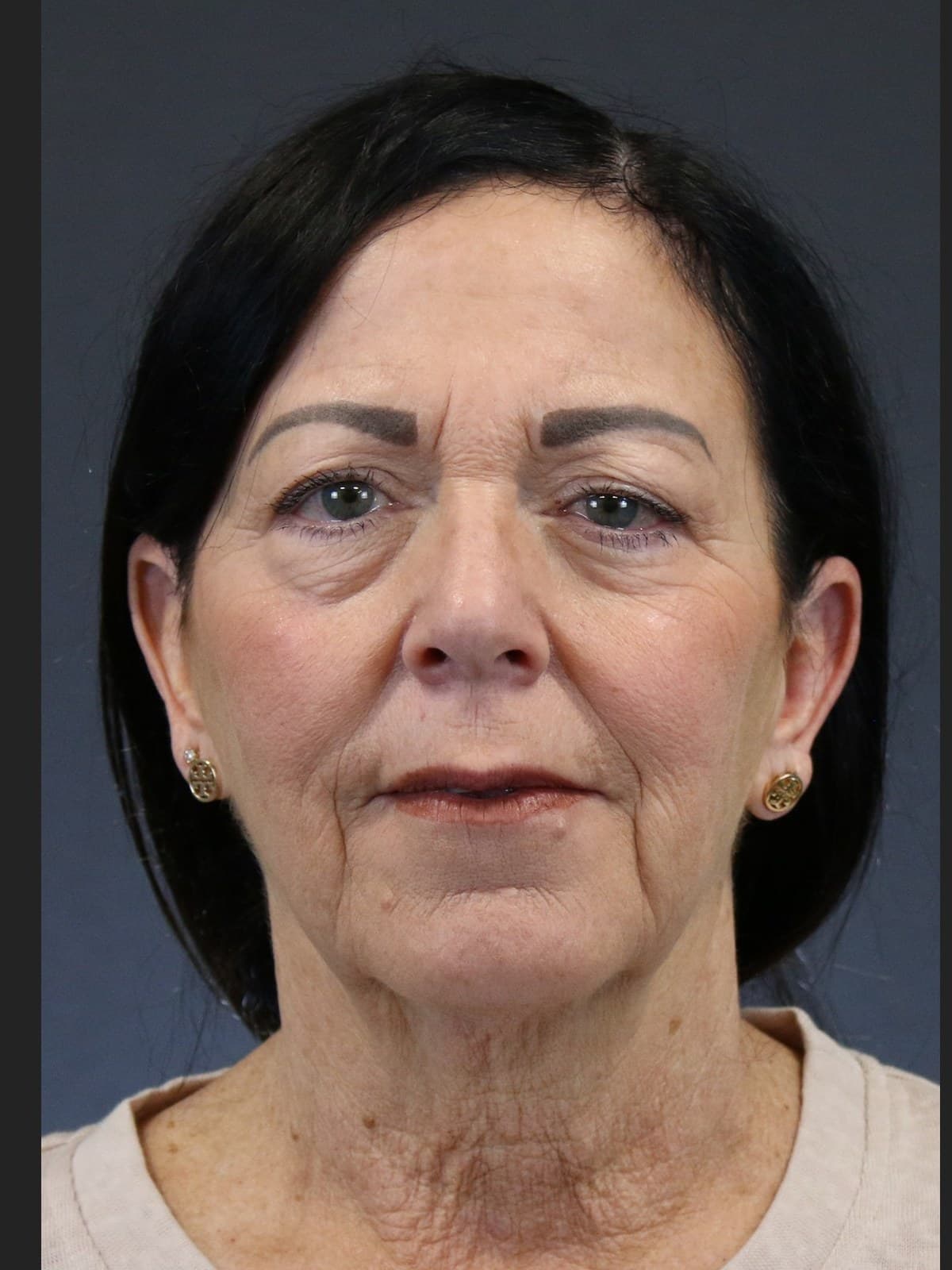
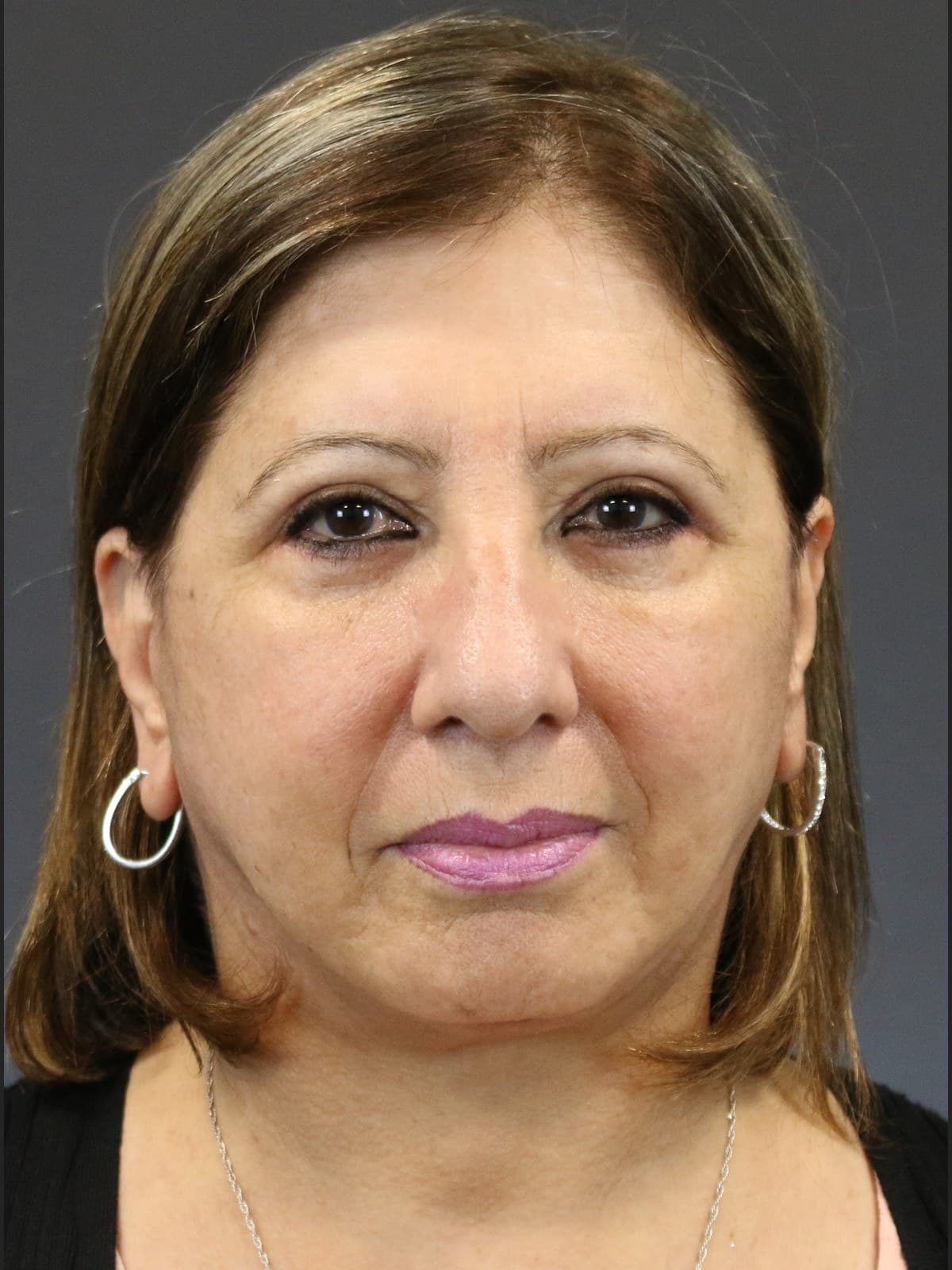 BeforeAfter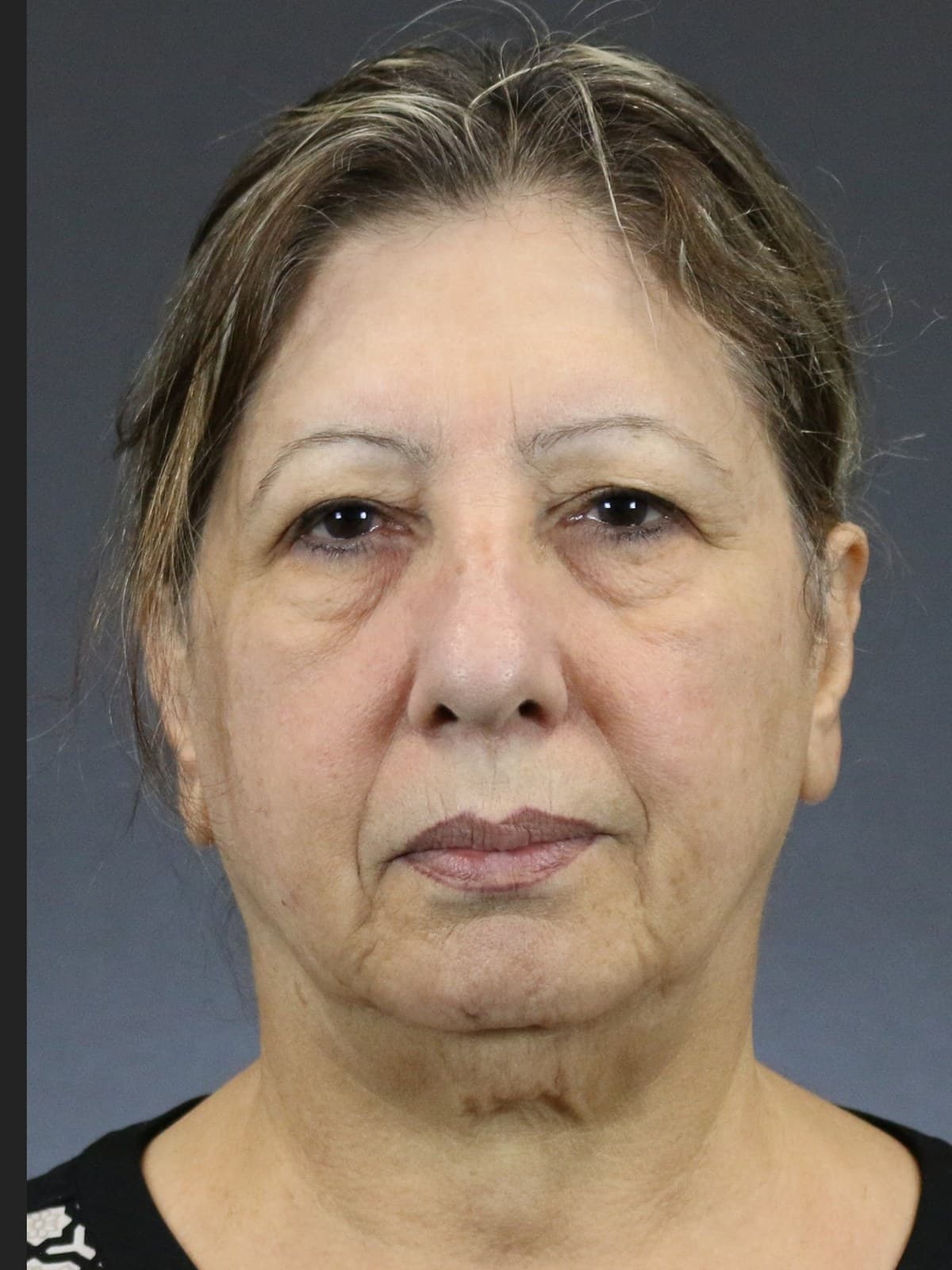
Individual results may vary. The photographs shown are of actual patients of Dr. Keni who have consented to their use.
Common questions
- Why do people keep asking if I am tired?
- The eyes are where faces are read first. Heaviness in the upper lid, a shadow below, or a brow that has settled lower all register as fatigue before anyone consciously identifies what changed.
- Is it my eyelids or my brow?
- This is the question the examination has to answer, and the two are easily confused. Skin removed from an upper lid that was heavy because the brow had descended treats the wrong structure, and can make the brow sit lower still.
- Are the upper and lower lids treated together?
- They are assessed together, as one aesthetic unit, because the eye reads them as one. Whether both are treated depends on what is actually contributing.
- Will this change how I look?
- The intent is that you look rested rather than altered. A good eyelid result is one where people notice you look well and cannot say why.
Financing available through CareCredit. See financing options