
What is actually happening
The soft tissue of the cheek is held against the facial skeleton by retaining ligaments. Over decades those ligaments loosen, and the fat and muscle they were supporting slides downward. It comes to rest along the jawline, because the attachments near the corner of the mouth hold firm while everything above them gives way.
What you see is a break in a line that used to be continuous. The volume has not vanished. It has moved, and it has landed somewhere that reads as heavier and older.
This is a position problem. The tissue is still yours and it is still there.
That is why the operation I do most is built around releasing those ligaments and repositioning what they were holding, in one composite layer, back to where it sat. Skin is along for the ride. A lift that pulls on skin gives a tight face for a short while and a widened scar for a long one.
What is worth ruling out first
Three different things produce a complaint that sounds identical at the door, and they want three different answers. Sorting out which one you have is most of what a consultation is for.
Descent is the one described above, and it is what surgery addresses. The tell is that the tissue looks like it has gone somewhere: there is fullness at the jawline that was not there before, and lifting the cheek upward in the mirror restores the line.
Deflation looks like descent and is not. When the face loses volume over the cheekbone and at the temple, the eye reads the flattened upper face and the relatively fuller lower face as sagging. Lifting a face that has emptied out makes it look pulled and still hollow. That face wants volume restored, and often wants it before anyone talks about an operation.
Skin quality is the third. Thin, sun-damaged, inelastic skin looks lax whatever is underneath it. Repositioning structure will not improve the surface of the skin covering it, and plenty of people are better served by resurfacing first.
Most faces are some of all three, in a proportion specific to that face. What changes the recommendation is which one dominates.
The question I get asked before any of this is whether someone is too young. Age is a poor guide and I do not decide on it. What I am judging is the quality of the tissue and how lax it is, and those two things do not track birthdays reliably. I see people in their thirties and forties who have lost a great deal of weight and who are straightforwardly good candidates for an operation, and I see people two decades older who are not.
What tells me it is too early is the examination. If I take hold of the tissue and cannot get meaningful movement out of it, or moving it buys so little that the result would not justify the operation, I will say so and point you at something smaller. That is a finding, and you can hear it from me on the day.
One thing I do sparingly here: filler along the jawline and into the hollow in front of the jowl. Where the problem is genuinely a depression and the tissue is otherwise sitting where it should, that hollow is a reasonable thing to fill. Where the problem is laxity, it is the wrong tool, and I will tell you that before you spend money on it.
If it is descent, which operation
The deciding factor is the midface. If the flattening runs up through the cheek, with a deepening fold from the nose to the mouth, the ligaments need to be released for the tissue to move as a unit, and that is the deep plane operation.
If the midface is holding up well and the complaint sits at and below the jawline, a SMAS lift can support the jaw without that release. The commonest version of this is someone whose real concern is the neck, where treating the neck alone would leave a sharp neck under a jawline that had not moved.
I decide this with my hands, in the room, on your face.
That is not a figure of speech. I take hold of the tissue and move it. I can feel how mobile the jawline and the midface are, see which way they want to travel, and see which direction gives the most natural improvement. What I am reading is the laxity of the soft tissue underneath. The skin is only part of what I am judging, and on its own it misleads.
If you have told me you want the smaller operation, the question I am answering with my hands is whether the kind of tightening a SMAS lift produces will actually suit your face. Sometimes it plainly will. Sometimes moving the tissue that way starts to look pulled, or gives a swept quality through the lower face, and then I will say so and recommend the deep plane. That is a result you would live with for years, and it is worth a frank conversation on the day.
People ask whether anything short of surgery will do it. Jowling is largely a mechanical problem, so mostly the answer is no. Where the laxity is genuinely minimal I do offer FaceTite, and I will give you the honest arithmetic: expect something like twenty to thirty percent improvement from the device, against eighty to ninety from a tightening operation. If that makes the device sound like the wrong tool, for most jowls it is, and you should hear that before you spend anything.
What treats it
Results
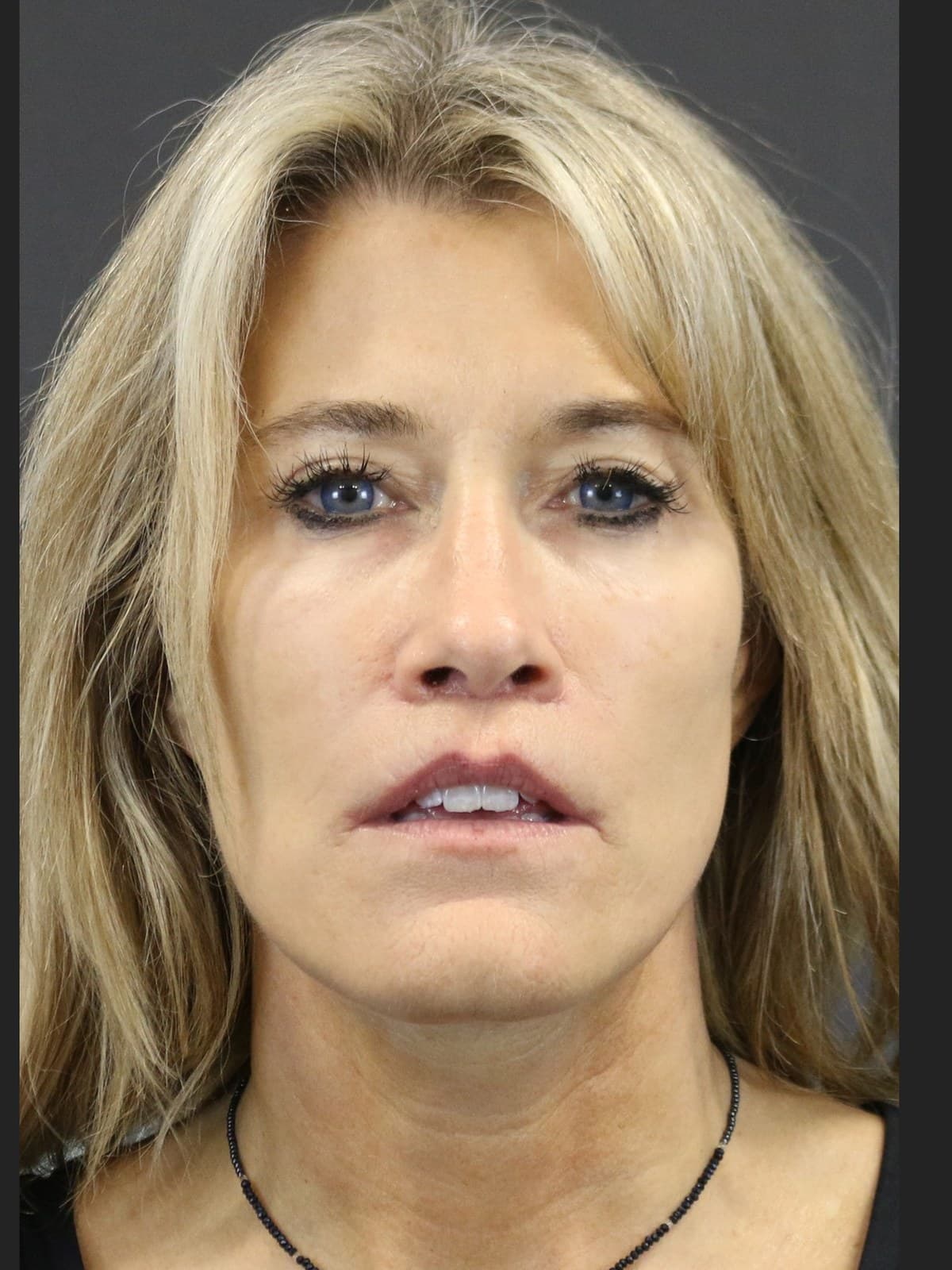 BeforeAfter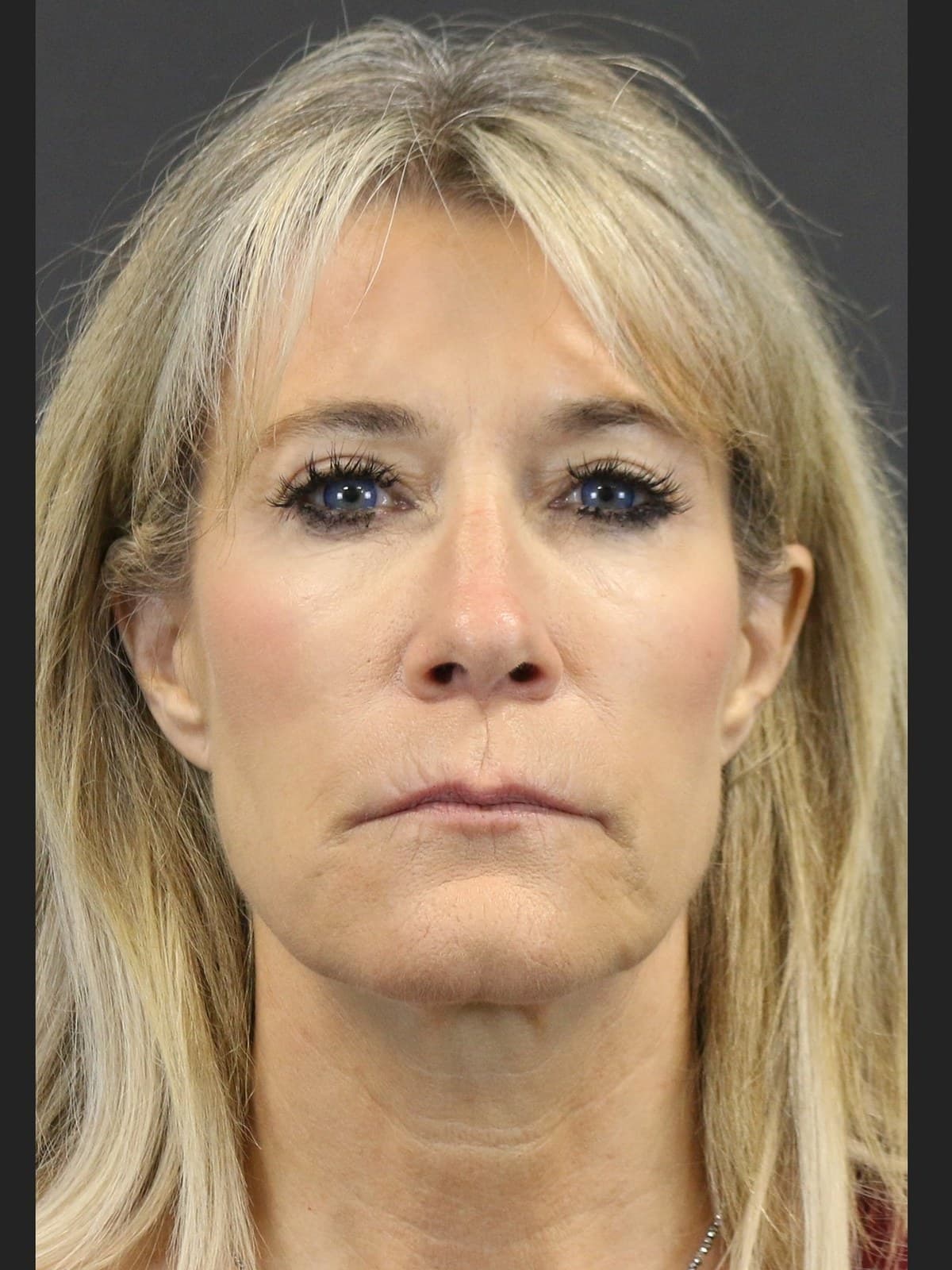
 BeforeAfter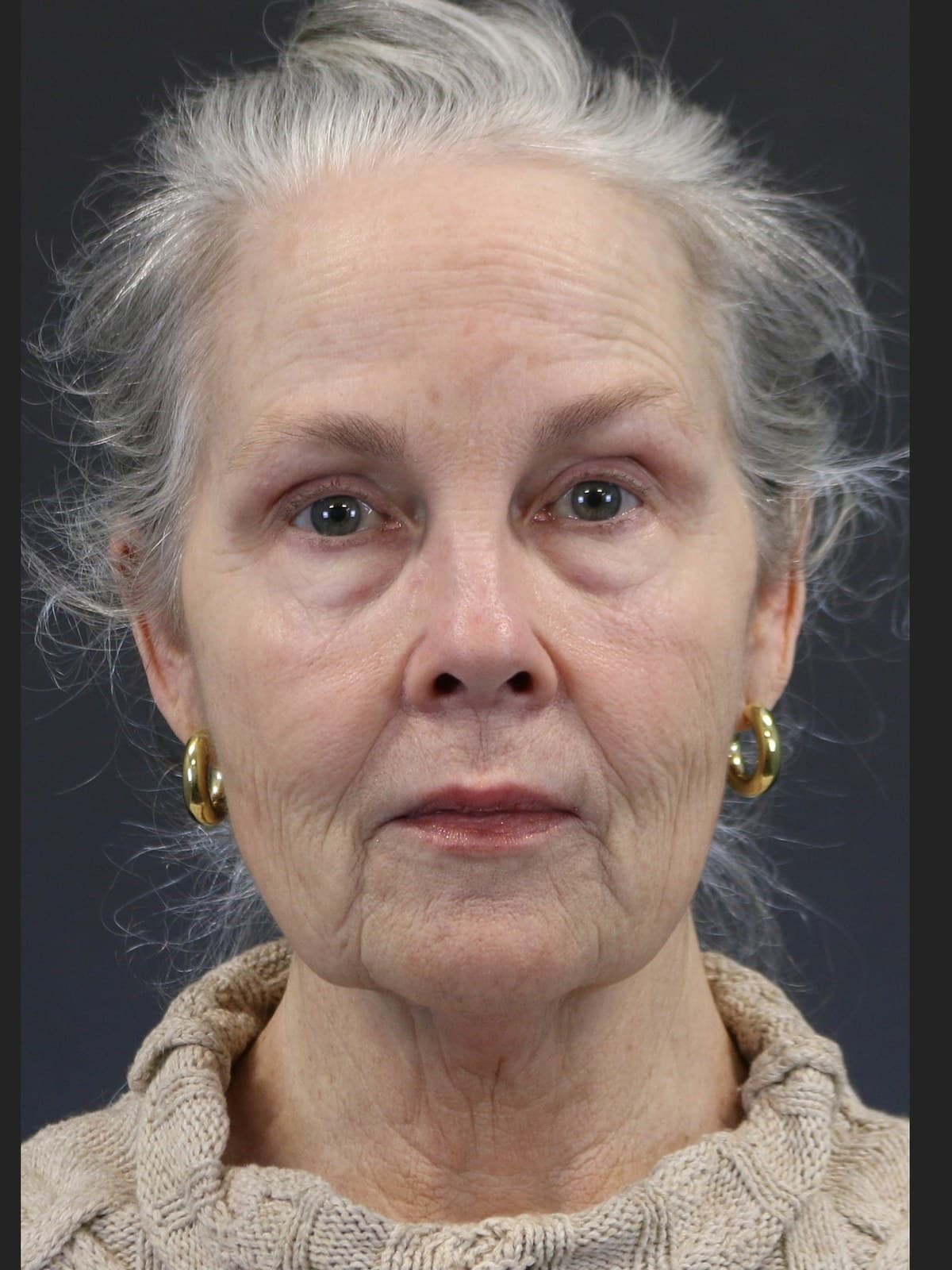
 BeforeAfter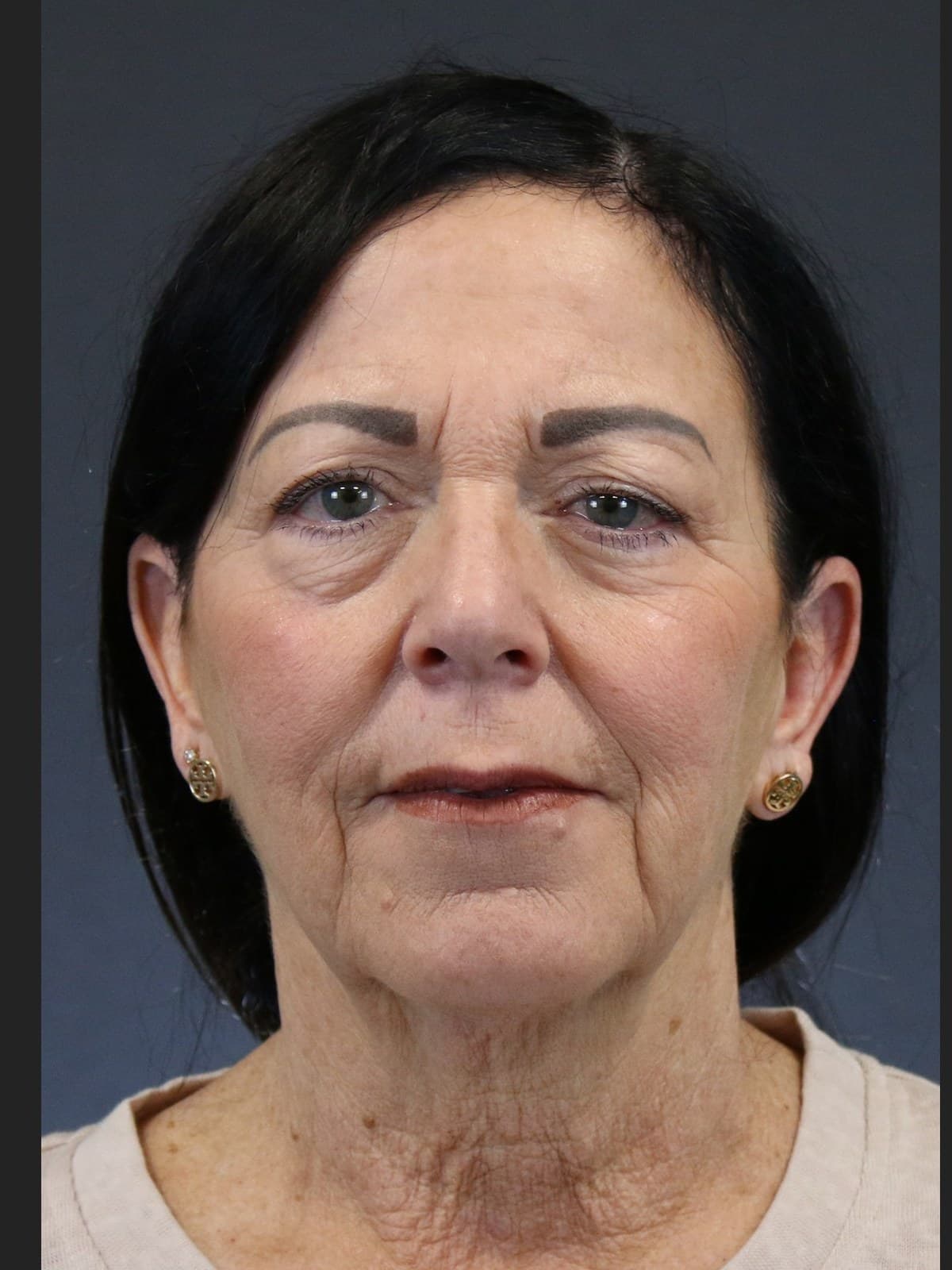
Individual results may vary. The photographs shown are of actual patients of Dr. Keni who have consented to their use.
Common questions
- What actually causes jowls?
- The ligaments that hold the soft tissue of the cheek against the bone loosen with time, and the tissue they were holding slides down. It collects along the jawline, where the fixed attachment at the corner of the mouth stops it going further. That break in the line is the jowl.
- Will fillers fix my jawline?
- Filler can camouflage a small step by building volume in the hollow in front of the jowl. It does not move anything back up, and past a certain point adding volume to a face that has descended makes it heavier and lower. If descent is the problem, filler buys time at best.
- Am I too young for a facelift?
- Age is a poor guide. What matters is whether tissue has descended and how much. Someone at 45 with early jowling and good skin can get a long-lasting result from a well-planned operation; someone at 60 whose main issue is skin quality may need something else entirely.
- Is there a non-surgical option that works?
- Energy devices can tighten skin and improve contour in a mild case, and I offer them. What none of them do is release a ligament and reposition the tissue behind it. When the problem is descent, the honest answer is that a device will underdeliver, and I would rather say so at the consultation than take your money.
Financing available through CareCredit. See financing options